
Dr. Daniel Langer
Why Gucci’s Luxury Identity Crisis Is Far From Over
Luxury brands thrive on desire, cultural relevance, and a clear sense of identity. For decades, Gucci mastered this formula, becoming one of the most influential names in fashion. Today, however, the brand finds itself in a prolonged period of decline despite leadership changes, celebrity endorsements, and high-profile campaigns. While recent efforts have generated attention, they have yet to address the deeper issue threatening Gucci's future: a loss of purpose and emotional connection with luxury consumers.
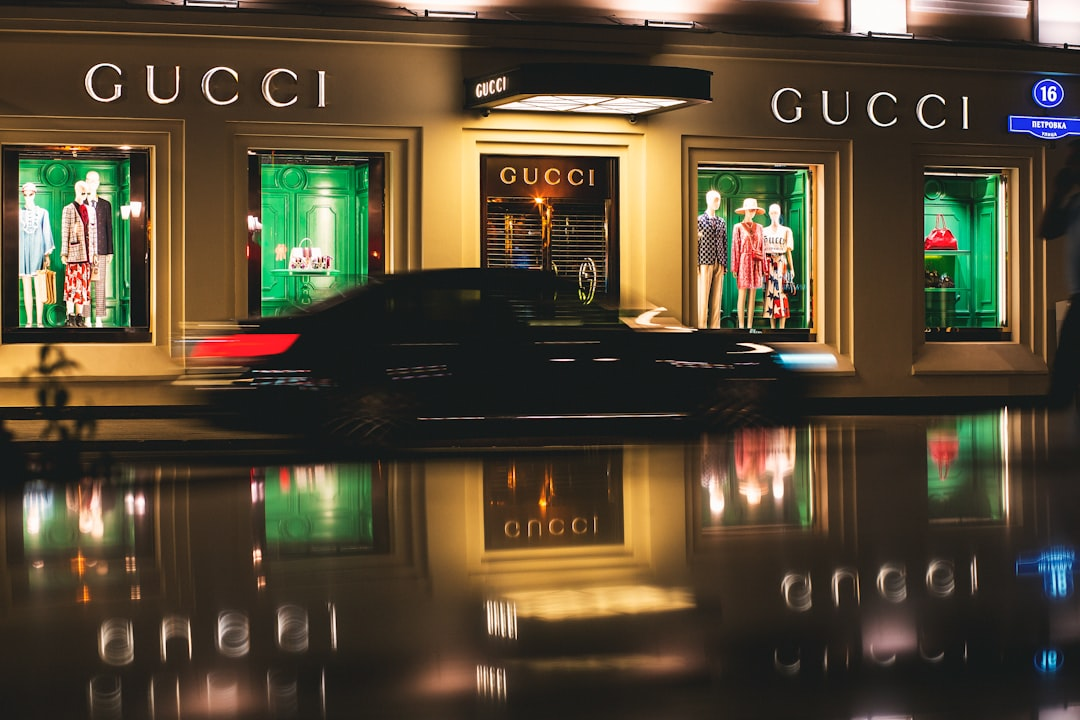
Eleven Quarters of Decline Tell a Bigger Story
Gucci's financial performance reveals a brand struggling to regain its footing. Over the past several quarters, sales have continued to decline, with revenue falling significantly from its previous peak. Although some analysts point to slowing declines as a sign of improvement, the reality remains that Gucci is still losing ground in one of the most competitive sectors of the luxury industry.
The brand's shrinking revenue and declining profitability have created pressure on parent company Kering, whose market value has suffered as investors question Gucci's ability to stage a meaningful recovery. The challenge is no longer about a temporary slowdown. It has become a question of long-term relevance.
Luxury Reinvention Requires Respect for the Past
When Sabato De Sarno took over Gucci's creative direction, one of the brand's key objectives was to move away from the aesthetic established during Alessandro Michele's era. While reinvention is often necessary in luxury, abandoning the elements that made customers fall in love with a brand can be risky.
Millions of consumers connected deeply with Gucci's bold, eclectic identity under Michele. That emotional bond helped transform Gucci into one of the world's most desirable luxury brands. By distancing itself from that successful chapter without offering a compelling alternative, Gucci created confusion among loyal customers who no longer recognized the brand they once admired.
The Missing Ingredient: A Distinct Point of View
The most successful luxury brands stand for something beyond products. They represent ideas, emotions, and lifestyles that customers aspire to embrace.
Under Tom Ford, Gucci embodied confidence, sensuality, and rebellion. Under Alessandro Michele, it became a symbol of individuality, creativity, and self-expression. Both eras gave consumers a clear reason to engage with the brand on an emotional level.
Today, Gucci appears less certain about its identity. Recent collections have focused heavily on commercial basics and familiar luxury staples, but products alone do not create desire. Luxury consumers are not simply buying clothing. They are buying into a vision, a story, and a feeling that reflects who they want to become.
Celebrity Power Cannot Replace Brand Meaning
Gucci's recent GucciCore presentation generated widespread media coverage thanks to an impressive lineup of celebrities and influencers. High-profile appearances attracted attention across social media and entertainment platforms.
However, attention and desire are not the same thing. While many people discussed the celebrity guests, very few conversations focused on the collection itself. This highlights a growing issue for the brand. When the audience remembers the spectacle but forgets the product, the brand risks becoming an entertainment platform rather than a luxury leader.
Luxury brands create lasting value when their products become cultural symbols. Celebrity appearances can amplify a message, but they cannot replace one.
Consistency Matters in Modern Luxury
Luxury consumers increasingly expect brands to stand firmly behind their values. Gucci's previous commitment to sustainability and ethical practices helped strengthen its reputation among younger audiences.
Recent runway presentations, however, have sparked questions about whether the brand is remaining true to those commitments. When consumers begin to question a brand's values, uncertainty follows. In luxury, consistency is critical because trust plays a major role in sustaining long-term desirability.
Brands that frequently change direction or send mixed signals risk weakening the emotional loyalty they have spent years building.
Why Desire Cannot Be Manufactured
One of the most common mistakes luxury brands make is believing that commercial success can be engineered through visibility alone. Marketing campaigns, celebrity endorsements, and grand events can generate awareness, but desire requires something deeper.
Desire emerges when a brand communicates a compelling point of view that resonates with consumers on an emotional level. It cannot be borrowed from celebrities or rented through temporary cultural moments. It must be built through authenticity, consistency, and conviction.
Gucci achieved this in previous decades by challenging conventions and creating new cultural conversations. Repeating that success will require more than attention-grabbing events. It will require a renewed sense of purpose.
The Future of Gucci's Luxury Positioning
Gucci's current challenge extends beyond declining sales. The brand must rediscover what makes it unique in a crowded luxury market where consumers have endless alternatives.
The path forward is not necessarily about returning to the past, nor is it about chasing every new trend. Instead, Gucci must define a clear identity that feels relevant to today's luxury customer while remaining authentic to the brand's heritage.
Until that happens, financial improvements may remain temporary. In luxury, true recovery begins when a brand gives people a reason to believe in it again.
https://www.equiteintelligence.com
Luxury Unfiltered is a weekly column by Daniel Langer. He is the CEO of Équité, a global luxury strategy and creative brand activation firm, where he is the advisor to some of the most iconic luxury brands. He is recognized as a global top-five luxury key opinion leader. He serves as the executive professor of luxury strategy and pricing at Pepperdine University in Malibu and as a professor of luxury at New York University, New York. Dr. Langer has authored best-selling books on luxury management in English and Chinese and is a respected global keynote speaker.
Dr. Langer conducts masterclass management training on various luxury topics around the world. As a luxury expert featured on Bloomberg TV, Financial Times, The New York Times, Forbes, The Economist and others, Mr. Langer holds an MBA and a Ph.D. in luxury management and has received education from Harvard Business School. Follow him on LinkedIn and Instagram, and listen to his Future of Luxury Podcast.
Recent Graduates
Transition to Luxury Career
Luxury Real Estate
Luxury Hospitality
Enterprise - Luxury Mastery
Enterprise - Luxury Real Estate
Enterprise - Luxury Academia
Enterprise - Luxury Hospitality
Enterprise - Luxury Automotive
Thank you!
Copyright © 2026 Équité X Agency, LLC All rights reserved