
Dr. Daniel Langer
When Luxury Brands Lose Their Identity: The Astonishing Mistakes of Ferrari and AMG
Luxury brands are built on more than products. They are built on stories, emotions, and the promises they make to their customers. The strongest luxury brands create deep emotional connections that extend beyond functionality. When those stories become unclear or inconsistent, even the most prestigious names can struggle to maintain their appeal.Recent developments at Ferrari and AMG highlight a growing challenge facing many luxury brands. Both companies have introduced products designed for a new era of automotive innovation, yet the reactions from enthusiasts and consumers suggest something important has been lost along the way. The issue is not technology. It is identity.
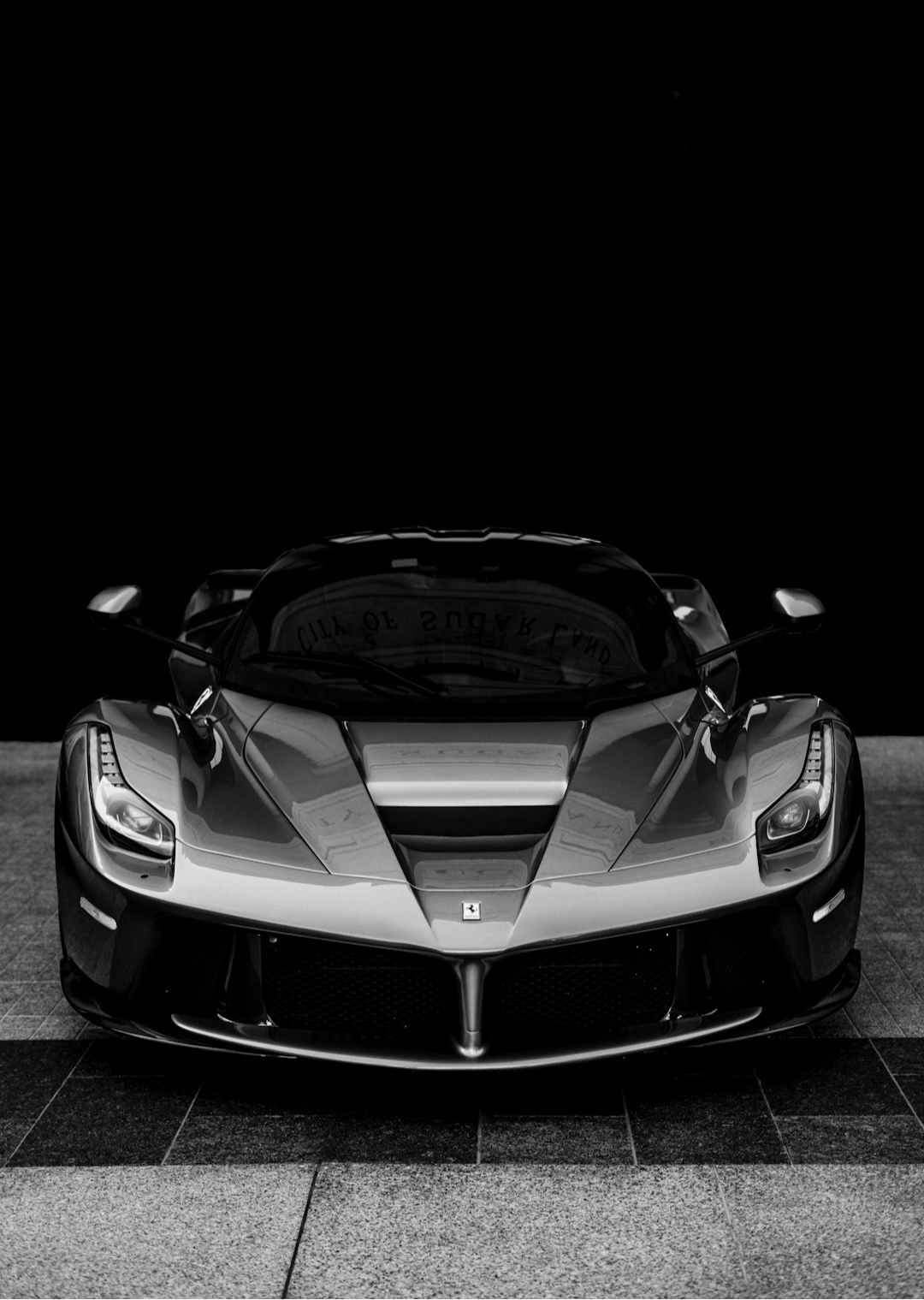
AMG's Struggle to Define Its Future
AMG earned its reputation through powerful engines, aggressive performance, and a driving experience that felt unmistakably authentic. For decades, the roar of an AMG engine became a defining part of the brand's character. Customers were not simply buying a car. They were buying an experience rooted in emotion, power, and excitement.As the automotive industry shifts toward electrification, AMG faces a difficult challenge. The new electric models represent a significant departure from the qualities that originally made the brand special. While electric performance can deliver impressive speed, many enthusiasts feel that the emotional connection once created by AMG's signature engines has disappeared.The introduction of artificial engine sounds and simulated gear shifts has only intensified criticism. Instead of creating a new identity for the electric age, these features have left some consumers questioning whether the brand is trying to imitate its past rather than confidently defining its future.
Ferrari's Risky Departure From Its Heritage
Ferrari's situation is even more complex. Few luxury brands possess the emotional power and cultural significance that Ferrari has built over decades. The brand's identity has always been closely tied to racing, passion, performance, and unmistakable Italian character.The company's move toward electric vehicles was inevitable as the industry evolves. However, the unveiling of its first fully electric supercar has sparked widespread debate among fans and luxury consumers. While the vehicle delivers impressive technical capabilities, critics argue that it lacks the emotional intensity that people associate with the Ferrari name.Luxury consumers expect innovation, but they also expect brands to remain true to their essence. When a product feels disconnected from the values and emotions that built a brand's reputation, even groundbreaking technology may fail to inspire enthusiasm.
Why Luxury Brands Cannot Afford Ridicule
One of the most dangerous outcomes for a luxury brand is becoming the subject of ridicule. Luxury thrives on aspiration, admiration, and desire. When consumers begin responding with jokes, memes, or disbelief, the brand's perceived value can quickly weaken.Both Ferrari and AMG have experienced waves of criticism online, with many discussions focusing less on the vehicles themselves and more on their controversial design choices and brand decisions. Negative reactions do not automatically signal failure, but they can indicate a disconnect between what a brand believes it represents and how consumers actually perceive it.Luxury brands depend heavily on emotional perception. Once that perception starts to shift, rebuilding it becomes significantly more difficult.
The Power of a Consistent Brand Story
Research across luxury industries consistently shows that strong brand stories create stronger value perception. Consumers are willing to pay premium prices not simply because of superior products, but because of the meaning attached to those products.Ferrari transformed itself from a manufacturer of sports cars into a global symbol of excellence because its story remained remarkably consistent. AMG evolved from a specialist tuning company into a performance icon through a clear and compelling narrative centered on power and driving excitement.The challenge arises when that story becomes diluted. If customers can no longer clearly identify what a brand stands for, its ability to command loyalty and premium pricing begins to erode.
Why Many Luxury Brands Struggle With Identity
A common misconception among luxury companies is that everyone inside the organization understands the brand's purpose. In reality, many businesses struggle to clearly define the emotional territory they own in the minds of consumers.Most executives can explain their company's heritage, history, and market position. Far fewer can articulate the single emotional promise that makes their brand unique. Without that clarity, product development, marketing campaigns, and strategic decisions can gradually drift away from the brand's core identity.This challenge becomes even more significant during periods of transformation, when companies are introducing new technologies, entering new markets, or adapting to changing consumer expectations.
The Importance of Listening to Consumers
When a luxury product receives widespread criticism, the response should not be immediate defense. Instead, brands should view the feedback as valuable insight into how their audience perceives their decisions.The most successful luxury brands understand that preserving desirability requires continuous alignment between brand identity and customer expectations. Innovation is essential, but it must strengthen the brand story rather than weaken it.Ferrari and AMG possess extraordinary heritage, global recognition, and immense resources. Their future success will depend on whether they can adapt to changing industry realities while remaining faithful to the emotional qualities that made them icons in the first place.One of the most common mistakes luxury brands make is believing that commercial success can be engineered through visibility alone. Marketing campaigns, celebrity endorsements, and grand events can generate awareness, but desire requires something deeper.
Desire emerges when a brand communicates a compelling point of view that resonates with consumers on an emotional level. It cannot be borrowed from celebrities or rented through temporary cultural moments. It must be built through authenticity, consistency, and conviction.
Gucci achieved this in previous decades by challenging conventions and creating new cultural conversations. Repeating that success will require more than attention-grabbing events. It will require a renewed sense of purpose.
The Future of Luxury Depends on Identity
Technology will continue to reshape the luxury automotive sector, but innovation alone is not enough. The brands that thrive will be those that maintain a clear emotional identity while embracing change.Luxury consumers do not simply buy products. They buy meaning, aspiration, and belonging. When a brand loses sight of that truth, even the most advanced innovations can feel empty.For Ferrari, AMG, and every luxury brand facing a rapidly changing future, the real challenge is not building the next product. It is ensuring that every new product reinforces the story that customers already love.
https://www.equiteintelligence.com
Luxury Unfiltered is a weekly column by Daniel Langer. He is the CEO of Équité, a global luxury strategy and creative brand activation firm, where he is the advisor to some of the most iconic luxury brands. He is recognized as a global top-five luxury key opinion leader. He serves as the executive professor of luxury strategy and pricing at Pepperdine University in Malibu and as a professor of luxury at New York University, New York. Dr. Langer has authored best-selling books on luxury management in English and Chinese and is a respected global keynote speaker.
Dr. Langer conducts masterclass management training on various luxury topics around the world. As a luxury expert featured on Bloomberg TV, Financial Times, The New York Times, Forbes, The Economist and others, Mr. Langer holds an MBA and a Ph.D. in luxury management and has received education from Harvard Business School. Follow him on LinkedIn and Instagram, and listen to his Future of Luxury Podcast.
Recent Graduates
Transition to Luxury Career
Luxury Real Estate
Luxury Hospitality
Enterprise - Luxury Mastery
Enterprise - Luxury Real Estate
Enterprise - Luxury Academia
Enterprise - Luxury Hospitality
Enterprise - Luxury Automotive
Thank you!
Copyright © 2026 Équité X Agency, LLC All rights reserved