China’s luxury market has not disappeared. It has evolved. While many Western brands continue interpreting slowing sales as declining demand, the reality is far more complex. Chinese consumers are still spending, but their priorities have shifted toward experiences, cultural relevance, and personal meaning. The brands succeeding in this new environment are not simply selling products. They are building cultural capital, emotional connection, and ecosystems designed around a rapidly changing luxury mindset.
Recent market reports show contractions in China’s personal luxury sector, leading many global brands to assume that consumer appetite is weakening. However, beneath those headline numbers, several categories continue to grow strongly. Ultra premium beauty, fragrance, secondhand luxury, and culturally relevant local brands are gaining momentum. Wealth in China is still expanding, and consumers remain willing to spend significantly on products and experiences that offer identity, well being, and emotional transformation. What is fading is not luxury demand itself, but interest in repetitive status purchases that no longer feel meaningful.
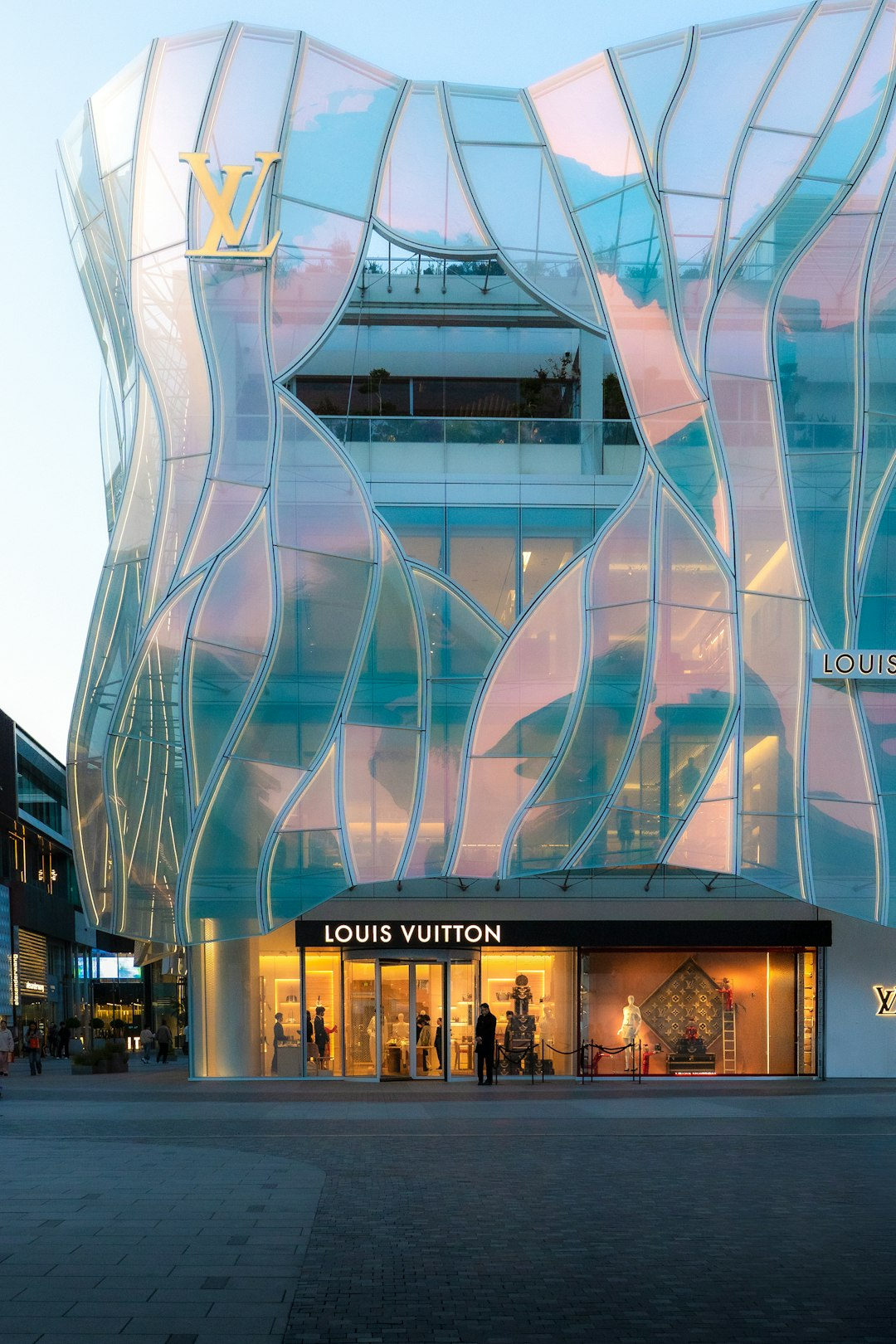
Luxury brands that understand China today are investing in experiences rather than transactions alone. Louis Vuitton demonstrated this shift through The Louis in Shanghai, a cultural pavilion designed to inspire, engage, and build long term relationships with clients. This reflects a broader truth about modern Chinese luxury consumption. Clients are increasingly drawn to brands that create cultural relevance and emotional resonance. Luxury is becoming less about ownership for status and more about participation in experiences that build identity and social meaning.
The transformation is especially visible in the automotive sector. Chinese luxury consumers are increasingly embracing domestic brands that combine technology, cultural relevance, and modern experience design. Companies such as Huawei, Xiaomi, and emerging local automotive partnerships are reshaping expectations within the premium segment. Meanwhile, traditional Western automotive leaders are losing ground despite decades of dominance. This shift highlights how quickly luxury preferences can evolve when brands fail to adapt to changing consumer priorities.
One of the biggest challenges facing Western luxury houses is operational speed. China moves at a pace many global organizations are not structured to match. Decision making processes are often too slow, and leadership remains too disconnected from local consumer behavior. Understanding the Chinese market today requires more than occasional visits and market reports. It demands active participation in the cultural conversations shaping luxury perception across platforms, cities, and communities. At the same time, brands that localize too aggressively risk weakening the consistency of their global identity. Balancing local relevance with global coherence has become one of the defining strategic challenges in modern luxury.
The luxury reset in China is already underway. The brands that will lead the next decade are those capable of recognizing that the market has fundamentally changed. Success will belong to companies that move beyond transactional retail and build experiences, ecosystems, and emotional narratives aligned with the new luxury consumer. China is no longer responding to the old playbook of logos, prestige, and predictable aspiration. The future belongs to brands that understand cultural capital, move with speed, and create relevance that feels authentic both locally and globally.
https://www.equiteintelligence.com
Luxury Unfiltered is a weekly column by Daniel Langer. He is the CEO of Équité, a global luxury strategy and creative brand activation firm, where he is the advisor to some of the most iconic luxury brands. He is recognized as a global top-five luxury key opinion leader. He serves as the executive professor of luxury strategy and pricing at Pepperdine University in Malibu and as a professor of luxury at New York University, New York. Dr. Langer has authored best-selling books on luxury management in English and Chinese and is a respected global keynote speaker.
Dr. Langer conducts masterclass management training on various luxury topics around the world. As a luxury expert featured on Bloomberg TV, Financial Times, The New York Times, Forbes, The Economist and others, Mr. Langer holds an MBA and a Ph.D. in luxury management and has received education from Harvard Business School. Follow him on LinkedIn and Instagram, and listen to his Future of Luxury Podcast.
