
Individuals & enterprise
Recent Graduates
Gain the advantage luxury recruiters cannot ignore. A credential that signals clarity of ambition, depth of expertise, and immediate readiness for demanding luxury roles.

Join the definitive online training program for the business of luxury. Led by top-five global luxury authority Dr. Daniel Langer, gain the singular industry knowledge needed for the coming revolution in luxury.













“Équité advises luxury brands to build the strongest brand equity, create the strongest value for customers and connect as much as possible with them.”
Forbes
“Having worked with Daniel for many years and knowing his expertise in luxury and brand equity, every brand will be in good hands with Équité.”
Pietro Beccari, CEO Louis Vuitton
“Équité has the ability to fuse research into actionable business insights. Expert delivery was also standout. Incredibly genuine.”
Ferrari
Luxury is one of the world's most valuable industries, and it is being remade by a new generation of clients. The professionals who understand this shift will lead it.
Sources: Bain & Company x Altagamma Luxury Study (2025); industry generational research; Équité Luxury Report 2026-2030.
From recent graduates to executive teams and academic institutions, every program is built on the strategies, frameworks, and insights used by the world's most desirable brands.
Gain the advantage luxury recruiters cannot ignore. A credential that signals clarity of ambition, depth of expertise, and immediate readiness for demanding luxury roles.

Where mid-career professionals do not restart. They reposition into the luxury sector with authority and intention.

Prepare your teams for the future of luxury business with corporate training that delivers actionable insights and seamless execution across your organization.
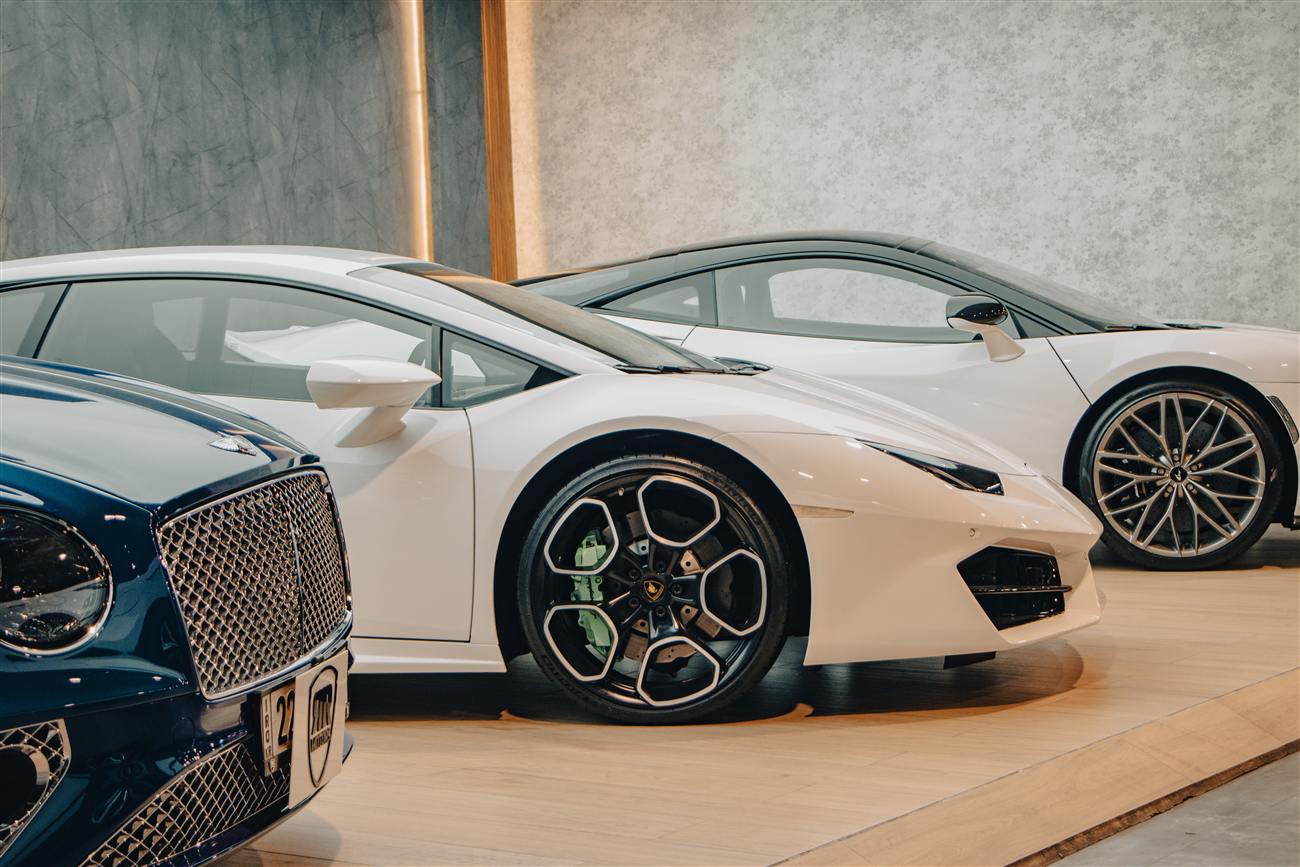
Earn the credential in the art of luxury automotive client experience. Equip sales and service teams to win with empathy, not ego.
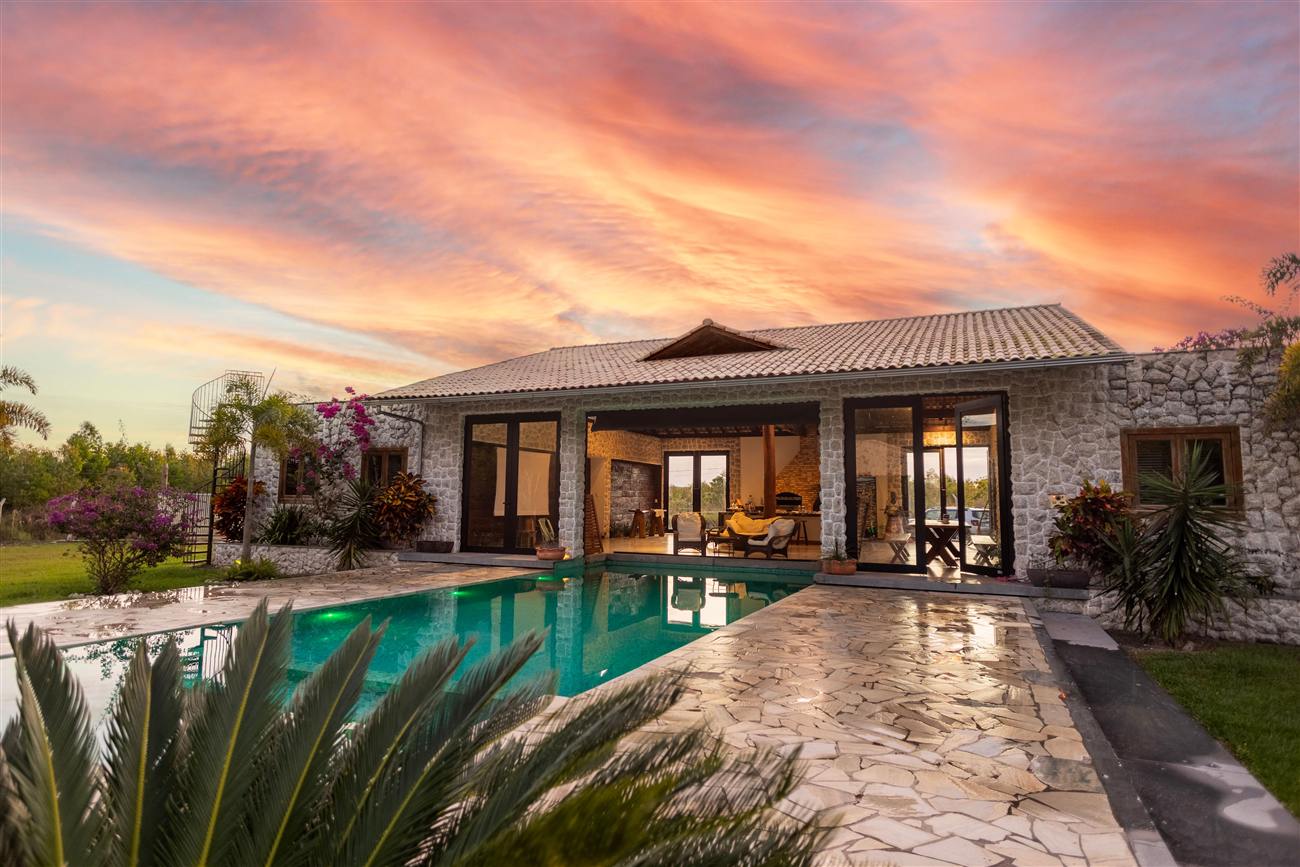
From agent to luxury authority. An immersive credential and community for agents and brokerages who refuse to compete on price.

Join the next generation of luxury hospitality leaders. Emotionally precise, story-led service that creates memorable moments, consistently.
Learn directly from Dr. Daniel Langer, professor of luxury strategy at Pepperdine University and NYU, bestselling author, and advisor to many of the world's most prestigious brands.
Master the 4E of Luxury framework and the proprietary methods used to strengthen brand desirability, pricing power, and long-term brand equity at the highest level of the market.
Join an exclusive circle of luxury innovators, strategists, and future industry leaders, with quarterly expert webinars and continuously updated content.
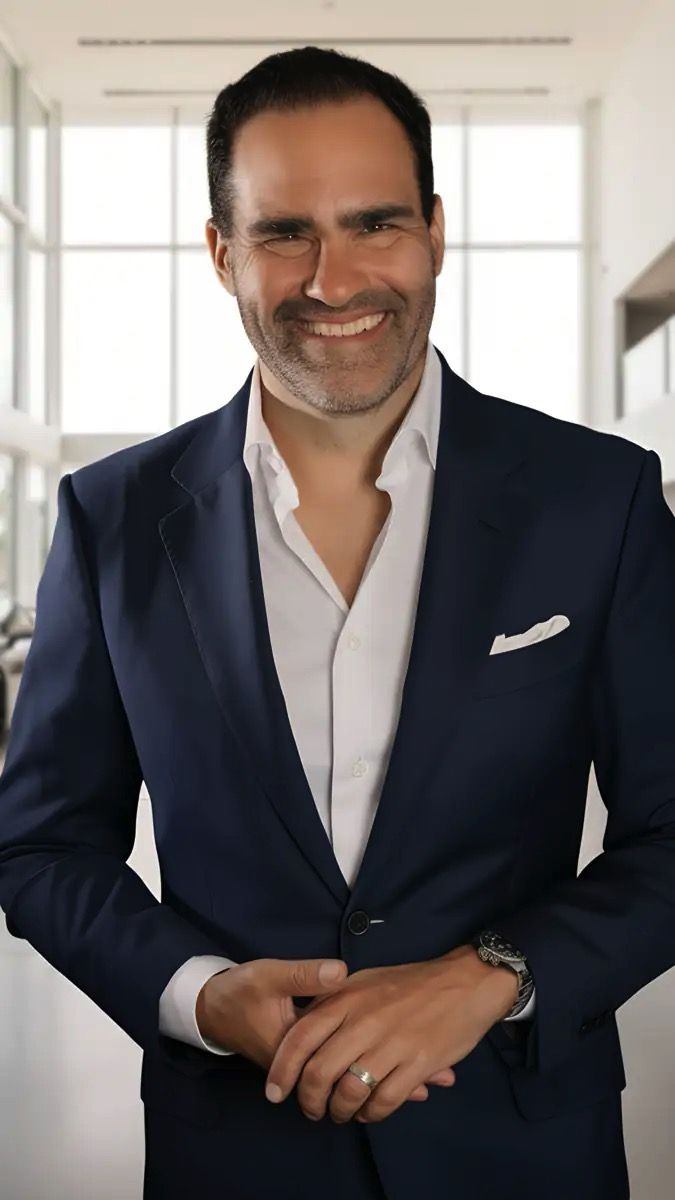
Dr. Daniel Langer is a globally recognized authority on luxury strategy, branding, and consumer behavior, shaping the future of luxury at the intersection of culture, Gen Z, and AI. He is the founder and CEO of Équité Intelligence, a premier luxury strategy and education firm known for proprietary frameworks that strengthen brand desirability, pricing power, and long-term brand equity. Dr. Langer leads luxury master’s programs at Pepperdine University and New York University (NYU) and holds a PhD in luxury strategy. A sought-after advisor, keynote speaker, and thought leader, he brings a rare ability to translate deep academic insight into clear, actionable intelligence, empowering brands and professionals not just to compete in luxury, but to lead it.
When Bloomberg and the BBC need to make sense of the luxury market, they call Dr. Langer. You learn from him directly, in every module.
Bloomberg Markets Asia, live from the CITIC CLSA Japan Forum. Full segment →
Business Today: analyzing LVMH's fourth-quarter results. More appearances →
A comprehensive credential curriculum covering the essentials of luxury. This credential signals your intention before you even walk into the room.
Examines the challenges of differentiation, third-party platforms, and hyper-acceleration in luxury. Highlights changing client expectations, the importance of net positivity, and the need to adapt to Gen Z through cultural value and digital engagement.
Luxury now prioritizes experiences, storytelling, and extreme value creation. With Gen Z shaping personal brands, authentic, concise narratives are essential. Clear brand identity, emotional impact, and value-added storytelling define the future of luxury.
Highlights the power of brand story and experience in luxury. Learn to design memorable touchpoints, ensure global consistency, and align staff training to create exceptional value.
Luxury brands rely on innovation and influence to drive extreme value, inspiring new experiences and category transformation. This module discusses the importance of these factors and provides examples of their impact.
Customers fall in love with luxury brands, but negative experiences can break that bond. This module explores emotional connections, brand loyalty, and the impact of every touchpoint on customer relationships.
Before taking this course, I assumed luxury was defined mostly by price. I have learned it is about so much more, especially the power of storytelling and creating a meaningful connection with customers that inspires loyalty.
There has been quite a wealth of knowledge from the platform already. Much appreciated for the work the team has done!
It is important to always look for ways to improve and be inspired by other peoples knowledge and experience. Today I finished the course, which was insightful and very applicable!
Our most comprehensive program, designed to build true mastery in luxury and position yourself as a leader in the competitive luxury landscape.
As an Équité Intelligence member, you get exclusive access to our quarterly webinars led by Dr. Daniel Langer and global experts. Stay ahead with insights, case studies, and strategies across luxury real estate, fashion, hospitality, and brand leadership.
Follow Dr. Langer as he travels the world, sharing timely, trend-driven insights with the community in near real time. New snackable modules drop weekly, keeping you connected, informed, and ahead of the curve.
Luxury brands thrive on clear identity and emotional storytelling. But when iconic names like Ferrari and AMG drift away from what made them desirable, the consequences reach far beyond one launch.
Read the articleGucci continues to chase relevance through celebrity spectacles and creative resets, but its deeper challenge remains unresolved.
Read the articleWhy do so many luxury brand turnarounds fail despite promising early results? This article explores the two critical factors most recovery strategies overlook.
Read the articleLuxury is evolving. Are you ready to lead the change?