Luxury collaborations often generate excitement, headlines, and massive cultural attention, but attention alone does not always strengthen a luxury brand. The rumored “Royal Pop” collaboration between Audemars Piguet and Swatch has already sparked conversation across the watch industry because it would bring the iconic Royal Oak design language into a far more accessible market. While many expect the collaboration to become a commercial success, history suggests the long term impact on luxury perception may be far more complicated.
The watch industry already witnessed a similar phenomenon through the collaboration between Omega and Swatch with the MoonSwatch collection. At launch, the collaboration appeared to be a perfect luxury success story. Watches sold out instantly, resale prices skyrocketed, and public awareness of the Speedmaster reached audiences far beyond traditional watch collectors. The cultural momentum was undeniable. However, over time, the excitement surrounding the collaboration did not translate into long term structural strength for the broader brand ecosystem. Initial hype eventually faded, resale values normalized, and the emotional distance between the accessible collaboration and the original luxury product became less clear.
One of the most important principles in luxury is emotional distance. Desire is often created through exclusivity, scarcity, and the feeling that the product exists slightly out of reach. When luxury design language becomes too accessible, that distance can weaken. Consumers may feel emotionally satisfied by participating in the aesthetic, story, and social symbolism without needing the original high priced version. This creates a dangerous dynamic where cultural reach expands while the aspirational pull of the core product slowly softens.
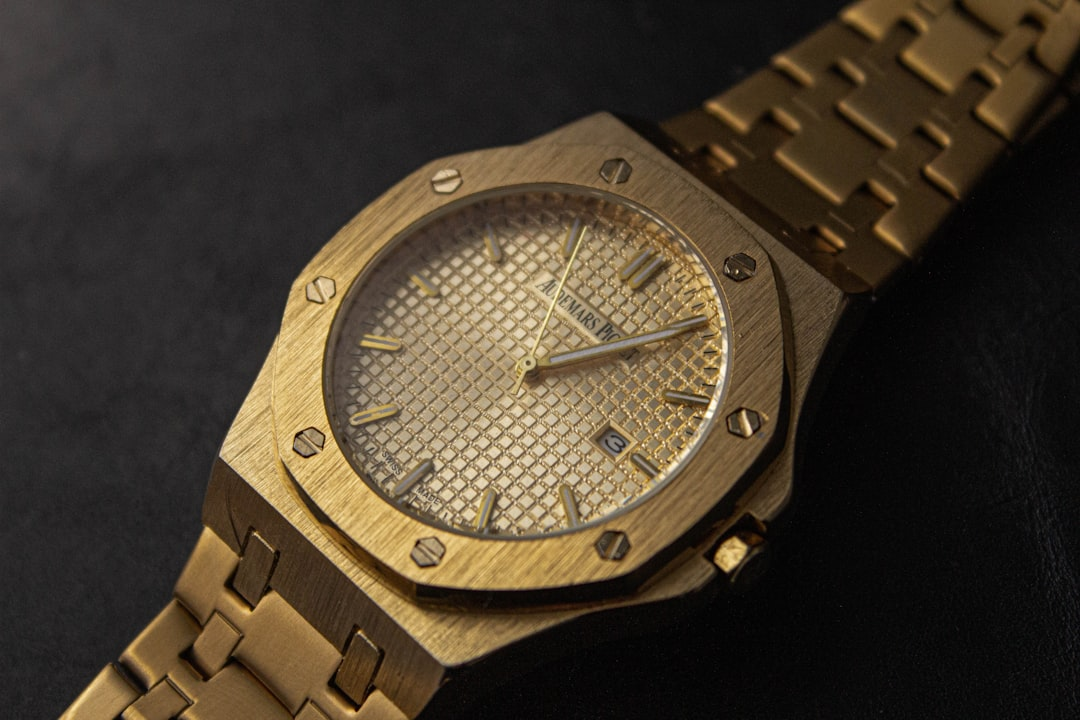
The stakes for Audemars Piguet are particularly high because the Royal Oak is far more central to the brand’s identity than the Speedmaster is for Omega. The Royal Oak’s octagonal bezel, exposed screws, and integrated bracelet are not simply product features. They are the symbolic foundation of the entire brand. Allowing those visual codes into a mass market environment changes how the public emotionally processes the product. Unlike brands with broader product ecosystems, Audemars Piguet relies heavily on the Royal Oak as its defining cultural and commercial icon. Any shift in perception surrounding that icon affects the entire brand architecture.
Recent trademark challenges surrounding the Royal Oak design have also added another layer of complexity. Courts in some markets have questioned whether aspects of the Royal Oak silhouette can function as uniquely protected brand identifiers on their own. In this environment, symbolic control becomes even more important. If competitors and lower priced brands can increasingly imitate parts of the design language, Audemars Piguet’s strongest defense becomes emotional aura rather than legal exclusivity. Turning that same design into a playful mass market product risks weakening the very symbolic scarcity that protects the brand’s long term value.
Many luxury collaborations succeed commercially in the short term because they generate excitement, collectability, and cultural conversation. However, the real question is not whether a collaboration sells out. It is whether the core luxury product feels more desirable years later after the hype disappears. Luxury value is built through perception, emotional tension, exclusivity, and meaning accumulated over time. Once those elements weaken, rebuilding them becomes extremely difficult.
The rumored Royal Pop collaboration may become one of the biggest cultural moments in modern watchmaking. Yet the larger question facing luxury brands remains unresolved. Can a brand expand accessibility without damaging the emotional distance that gives it power? The answer determines whether collaborations strengthen long term desirability or slowly dilute it. In luxury, visibility alone is never enough. The real asset is the aura surrounding the product, and once that aura becomes ordinary, even the most iconic designs can lose their magic.
https://www.equiteintelligence.com
Luxury Unfiltered is a weekly column by Daniel Langer. He is the CEO of Équité, a global luxury strategy and creative brand activation firm, where he is the advisor to some of the most iconic luxury brands. He is recognized as a global top-five luxury key opinion leader. He serves as the executive professor of luxury strategy and pricing at Pepperdine University in Malibu and as a professor of luxury at New York University, New York. Dr. Langer has authored best-selling books on luxury management in English and Chinese and is a respected global keynote speaker.
Dr. Langer conducts masterclass management training on various luxury topics around the world. As a luxury expert featured on Bloomberg TV, Financial Times, The New York Times, Forbes, The Economist and others, Mr. Langer holds an MBA and a Ph.D. in luxury management and has received education from Harvard Business School. Follow him on LinkedIn and Instagram, and listen to his Future of Luxury Podcast.
