Luxury brands have long relied on conventional performance indicators, from financial metrics to net promoter scores, to gauge their success. But in today’s market, these numbers reveal only part of the picture. What truly drives long-term value is emotional impact the depth of feeling a client experiences at every touchpoint. Clients rarely choose luxury for rational reasons; instead, they gravitate to brands that elevate their sense of identity. The anticipated shift in personal perception is what makes them willing to pay a premium, and this shift is fueled by emotion, not functionality.
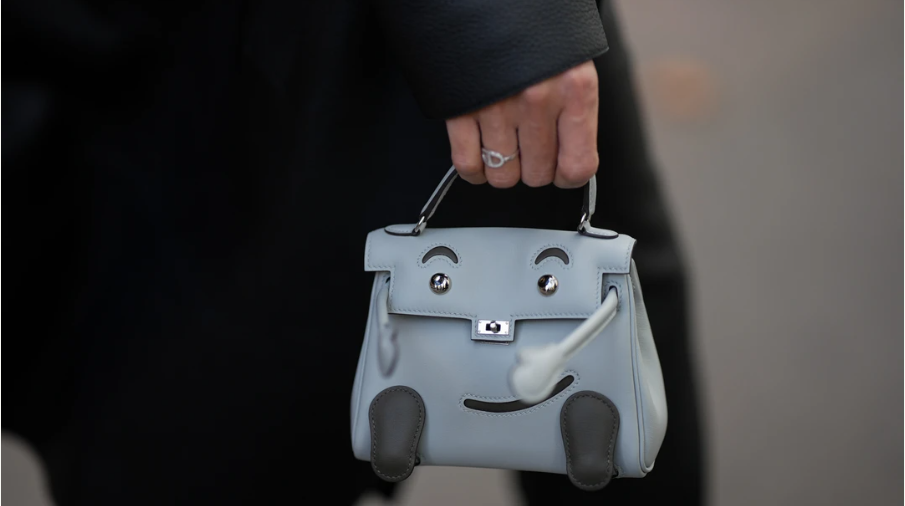
The Hermès Kelly Doll, a rare and whimsical luxury handbag, on display at Paris Fashion Week Spring/Summer 2026. Image: Getty Images
Despite its importance, emotional impact remains the most overlooked driver of value in the luxury sector. Many brands still build their narratives around product attributes craftsmanship, heritage, materials, techniques. While these elements matter, they rarely create the emotional resonance that makes clients care. The essential question every brand must answer is: Why should people care? Without clarity around the emotional value they deliver, brands fall into marketing myopia, assuming their category superiority is enough. But clients respond to emotion, not categories. If the brand story does not explicitly define the feeling clients should experience, the interactions become inconsistent, transactional, and forgettable.
Emotions define perceived value more than any product feature. When brands design experiences without first establishing a target emotion, the specific feeling they want clients to have the result is generic service devoid of meaning. Teams cannot deliver an emotional experience they do not understand. This lack of emotional training creates a fragile client relationship. Research shows that fewer than two disappointing interactions can break loyalty. In a world where younger clients seek identity, meaning, cultural relevance, and inspiration, the cost of emotional inconsistency is extraordinarily high.
To bridge this gap, brands must adopt a structured approach to emotional excellence. The “4E of Luxury” framework; emotion, experience, engagement, and exclusivity provides a blueprint for generating extreme value. Emotion defines the brand’s feeling. Experience translates it into every touchpoint. Engagement ensures interactions are personal and meaningful. And exclusivity focuses on depth, empathy, and rarity rather than superficial scarcity. When clients walk into a boutique, they should immediately sense the brand’s emotional world whether that is power, serenity, confidence, or inspiration. This emotional clarity must guide every moment of the client journey.
Building Emotional Equity: The True Measure of Luxury Success
Sustaining emotional impact requires internal alignment. A brand cannot inspire clients unless it inspires its own people. Teams must feel the brand’s purpose and undergo emotional training not just product training to deliver authentic experiences. Technology now supports this work by quantifying emotional responses and identifying sentiment patterns. But while data enhances precision, emotion must still come from human intention. Brands must rethink their definition of success: short-term numbers matter, but emotional equity determines long-term value. When clients leave an interaction feeling unchanged, the brand has already lost ground. In an era of infinite choice, emotional resonance is the ultimate luxury the rarest asset of all.
https://www.equiteintelligence.com
This is an opinion piece by Daniel Langer, CEO of Équité, recognized as one of the “Global Top Five Luxury Key Opinion Leaders,” and advisor to some of the most iconic luxury brands in the world. He serves as an executive professor of luxury strategy and pricing at Pepperdine University in Malibu and as a professor of luxury at NYU, New York. Daniel has authored best-selling books on luxury management in English and Chinese, and is a respected global keynote speaker.
Daniel conducts in-person masterclasses on various luxury topics across the world. As a luxury expert featured on Bloomberg TV, Forbes, The Economist, and others; Daniel holds an MBA and a Ph.D. in luxury management, and has received education from Harvard Business School.
